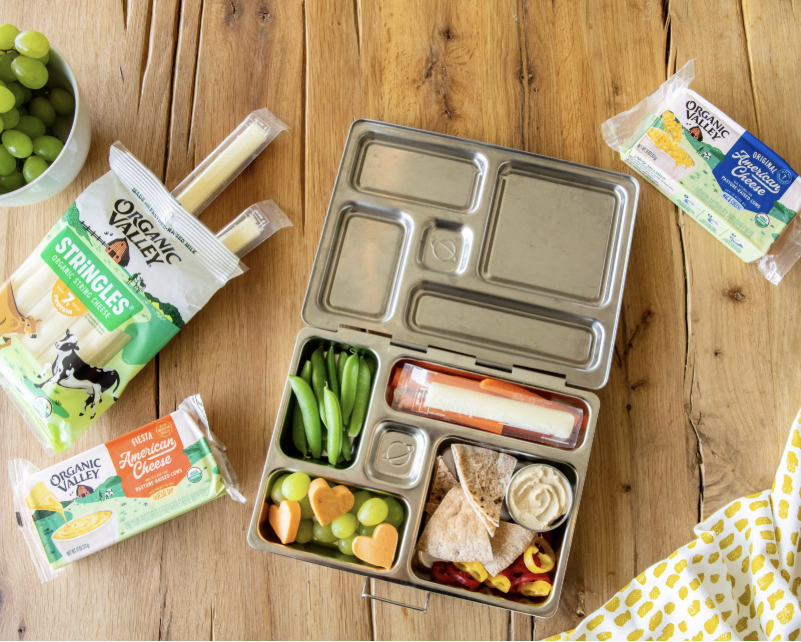
Lunchtime Lifts and Lunchbox Ideas

For many busy people, lunchtime can feel like a narrow bridge between a demanding morning and an even busier afternoon. It is easy to spend that small break rushing through …
A lunchtime lift can mean two simple things working together. The first is a small movement break that wakes up the body after hours of sitting. The second is a balanced meal that travels well and feels satisfying without weighing you down. When these two habits come together, the middle of the day starts to feel less like a crash zone and more like a second chance.
Many people notice that their energy drops after lunch, but this is often less about the time of day and more about what lunch looks like. Meals that are too heavy, too greasy, or missing key nutrients can make the afternoon feel slower than it needs to be. On the other hand, a lunch that includes protein, fiber, healthy fats, and colorful produce can support steadier energy. It also helps to eat in a calmer way instead of gulping food down while multitasking. Even ten quiet minutes can make a difference.
Movement matters too. A lunchtime lift does not have to mean a full workout or a sweaty gym session. It can be a brisk walk around the building, a few stretches at your desk, or a short set of bodyweight moves in a quiet corner. Gentle movement helps circulation, eases stiffness, and can make the mind feel clearer. After sitting for hours, even five minutes of motion can feel surprisingly powerful.
One simple lunchtime lift is a walk-and-breathe routine. After eating, or before if that feels better, step outside and walk at a comfortable pace. Relax your shoulders, breathe deeply, and let your eyes focus on something beyond a screen. If you are indoors, a hallway walk works too. Another option is a desk reset with shoulder rolls, neck stretches, seated twists, and standing calf raises. These small movements are easy to fit into a workday and can help you return to your tasks feeling more awake.
Now comes the lunchbox side of the equation. The best lunchboxes are built around real-life needs. They should be easy to pack, easy to carry, and pleasant to eat. A helpful approach is to think in parts rather than recipes. Start with a protein such as grilled chicken, eggs, tofu, tuna, beans, or Greek yogurt. Add a fiber-rich carbohydrate like brown rice, quinoa, whole grain bread, pasta, or roasted sweet potato. Include vegetables or fruit for freshness and variety. Then finish with a little healthy fat such as avocado, nuts, seeds, or olive oil dressing.
This kind of structure makes lunchboxes easier to plan. For example, a grain bowl with rice, chicken, cucumber, tomato, and a light yogurt sauce can be filling without feeling too heavy. A wrap with turkey, lettuce, shredded carrots, and hummus can be quick to assemble and easy to eat at work. A pasta salad with chickpeas, chopped peppers, spinach, and a simple dressing can hold up well in the fridge and taste good cold. Even a snack-style lunchbox can work beautifully, with boiled eggs, crackers, sliced fruit, cheese, and crunchy vegetables.
Lunchbox ideas also become more practical when you use leftovers wisely. Dinner can help build tomorrow’s lunch with very little extra effort. Roasted vegetables, grilled meat, cooked grains, and soups often pack well for the next day. Instead of seeing leftovers as repetitive, think of them as a shortcut. You can change the flavor with a dip, dressing, or fresh side item. Last night’s roasted chicken can become today’s sandwich. Extra rice can turn into a quick lunch bowl. A simple soup can be paired with fruit and yogurt for a well-rounded meal.
Variety matters, but it does not need to be endless. Many people do better with a small set of dependable lunch options they genuinely enjoy. Rotating between three or four ideas can save mental energy and reduce last-minute stress. A few reliable favorites often work better than chasing perfect meal prep every week.
It also helps to think about how lunch makes you feel afterward. Some foods travel well but leave you hungry too soon. Others may feel tasty at first but lead to an afternoon slump. Over time, you can learn what supports your own energy best. Maybe you feel stronger with more protein, or maybe adding fruit helps your lunch feel lighter and brighter. There is no single perfect lunch for everyone, but there are many good options that can fit your routine.
The true value of lunchtime lifts and thoughtful lunchboxes is not about chasing an ideal schedule. It is about creating a midday moment that supports you. Instead of pushing through exhaustion, you give yourself fuel and movement. Instead of treating lunch like an afterthought, you use it as a way to care for your body in a realistic, friendly way.
A better afternoon does not always require a dramatic change. Sometimes it starts with a packed lunch you actually look forward to and a ten-minute movement break that helps you reset. Those small choices can add up over time. Lunch becomes more than a pause in the day. It becomes a steady habit that helps you feel more balanced, more energized, and more prepared for whatever the rest of the day brings.