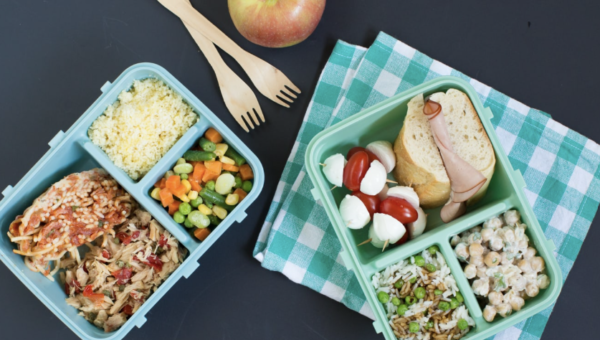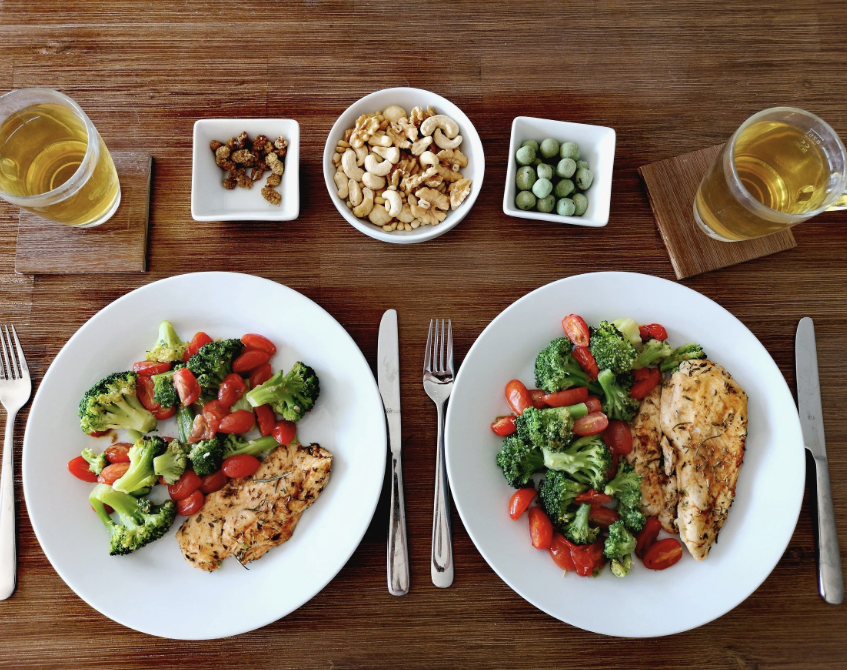
The Power of Pairs Protein and Produce

Healthy eating often sounds more complicated than it needs to be. Many people think they need a strict meal plan, expensive ingredients, or hours in the kitchen to eat well. …
Protein and produce work well together because each brings something valuable to the table. Protein helps support fullness and can make meals feel more substantial. Produce, including fruits and vegetables, adds freshness, color, texture, and a wide range of nutrients. When these two food groups appear together, meals often become more enjoyable and more practical for real life. Instead of chasing perfection, you create a better foundation with every plate.
Think about how many quick meals lean heavily in one direction. Some are mostly refined carbohydrates and leave you feeling hungry again too soon. Others may include protein but little freshness, which can make them feel heavy or repetitive. Adding produce to protein, or protein to produce, helps create a more complete eating experience. A bowl of yogurt becomes more appealing with berries and sliced banana. Grilled chicken feels more vibrant when served with cucumbers, tomatoes, and leafy greens. Eggs become more colorful and comforting when cooked with spinach, mushrooms, or chopped peppers.
This approach also helps take some of the pressure out of meal planning. Instead of trying to invent a perfect recipe every day, you can ask a very simple question: what protein can I pair with what produce? That question works at breakfast, lunch, dinner, and snack time. It is flexible enough for busy weekdays, family meals, and even those moments when the fridge looks a little empty.
Breakfast is one of the easiest places to start. Many people rush through the morning, so choosing a pair that is quick and convenient can make a big difference. Cottage cheese with pineapple, eggs with tomatoes, oatmeal topped with nut butter and banana, or a smoothie made with milk, yogurt, and frozen fruit can all fit into a busy schedule. These combinations are simple, but they often keep energy steadier than meals built only around toast, pastries, or sugary snacks.
Lunch can also become much easier when you use the protein and produce idea as your guide. A salad with grilled chicken, tuna, beans, tofu, or boiled eggs is an obvious example, but there are many other ways to make it work. A wrap with turkey and crunchy vegetables, rice with salmon and steamed broccoli, or even leftover roasted vegetables mixed into a bowl with lentils can all create a satisfying midday meal. The goal is not to make lunch look impressive. The goal is to make it filling, fresh, and realistic enough to repeat.
Dinner is where this pairing can really shine because it gives structure without feeling restrictive. If you have a source of protein and one or two produce options, you already have the beginning of a meal. Fish with roasted green beans, tofu with stir-fried bok choy, lean beef with a side salad, or chicken with carrots and zucchini all fit the pattern. From there, you can add rice, potatoes, noodles, or bread depending on your appetite and preferences. Protein and produce are not meant to replace everything else. They simply create a stronger center for the meal.
Snacks benefit from this strategy too. Many packaged snacks are easy to grab, but they may not keep you satisfied for long. Pairing a protein with produce can turn a snack into something that feels more steady and nourishing. Apple slices with peanut butter, cheese with grapes, hummus with cucumber, or yogurt with chopped fruit are familiar examples because they work. They are simple, easy to prepare, and satisfying without being overly complicated.
Another reason this habit is so powerful is that it supports variety. Protein does not have to mean only chicken breasts or protein shakes. It can include eggs, yogurt, beans, lentils, fish, tofu, cheese, nuts, seeds, or lean meats. Produce can be fresh, frozen, canned, roasted, steamed, blended, or eaten raw. This gives you plenty of room to adjust based on your budget, schedule, taste, and culture. A person who enjoys simple home cooking can use this approach just as easily as someone who likes meal prep or quick convenience foods.
It also helps reduce the all-or-nothing mindset that often makes healthy eating feel hard. You do not need every meal to be perfect. You do not need to avoid favorite foods. You do not need to follow a complicated set of rules. If you start by adding produce to a protein-based meal, or adding protein to a produce-based one, you are already making a positive shift. Small changes tend to last longer because they feel manageable.
The beauty of pairing protein and produce is that it meets people where they are. If you cook often, it gives you a reliable framework. If you rarely cook, it still works with easy options from the grocery store. Rotisserie chicken and baby carrots count. Greek yogurt and frozen berries count. Tuna and sliced cucumber count. Progress does not depend on fancy ingredients. It depends on building a habit that feels simple enough to use again tomorrow.
In the end, healthy eating does not always require a major reset. Sometimes it starts with something much smaller and more practical. The power of pairs comes from its simplicity. Protein and produce bring balance, satisfaction, and flexibility to everyday meals. When you make them a regular team, eating well can start to feel less like a challenge and more like a natural part of daily life.