The Heart Healthy Cardio and Menu Match

Taking care of your heart does not have to feel strict, confusing, or impossible to maintain. In fact, one of the simplest ways to build a steady wellness routine is …
Many people try to improve their lifestyle by focusing on one area at a time. They may start walking more but keep eating in a rushed and inconsistent way. Others may prepare better meals but stay inactive for long stretches of the day. While any positive step matters, there is something especially effective about pairing gentle cardio with meals that feel light, nourishing, and easy to repeat. This combination can help create a rhythm that supports everyday wellbeing.
Heart healthy cardio does not mean you need extreme workouts or fancy equipment. It often starts with simple, steady movement that you can do regularly. Brisk walking is one of the easiest examples. It is approachable, low pressure, and easy to adjust based on your fitness level. Cycling, dancing in your living room, swimming, and light jogging can also fit into this category. The goal is not to push yourself to exhaustion. The goal is to move in a way that feels steady, sustainable, and good for your body.
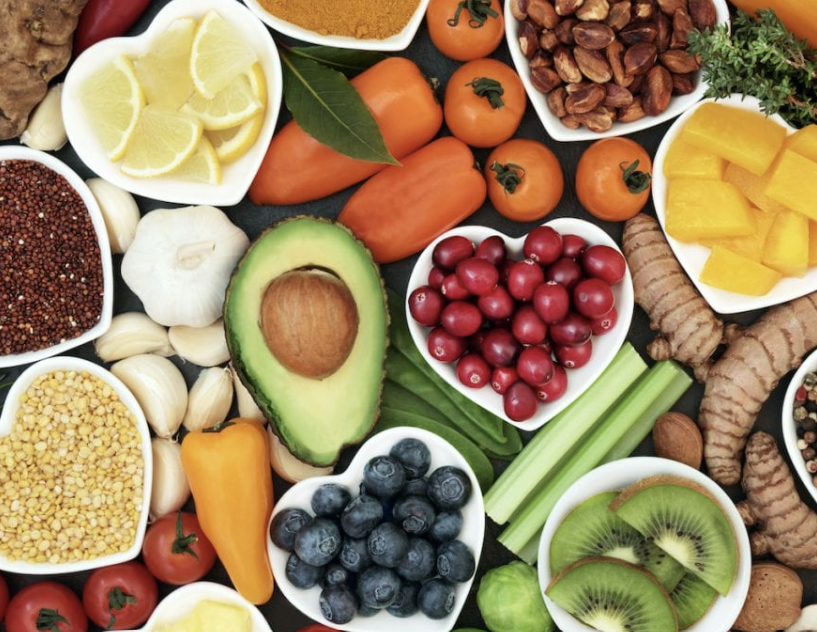
The meal side of the match works in a similar way. A heart friendly menu does not need to be expensive or complicated. It usually includes everyday foods that help you feel satisfied without making you feel heavy or sluggish. Think of meals built around vegetables, fruit, whole grains, beans, yogurt, eggs, fish, nuts, seeds, and other simple staples that fit your routine. Meals like oatmeal with fruit in the morning, a grain bowl with vegetables at lunch, or grilled fish with rice and salad at dinner can feel both comforting and practical.
The real magic happens when you start matching your meals to your movement. For example, a light breakfast before morning cardio can help you feel fueled without feeling too full. A banana with plain yogurt, a slice of toast with peanut butter, or a small bowl of oats can work well for many people. After cardio, a meal with a mix of protein, fiber, and healthy fats can help you feel more settled and ready for the rest of your day. This could be something as simple as eggs with vegetables and toast, or a smoothie paired with a handful of nuts and a piece of fruit.
If you like walking in the late afternoon, lunch becomes an important part of the match. A heavy, greasy meal may leave you feeling slow and unmotivated, while a balanced plate can help you stay comfortable and energized. A lunch of brown rice, grilled chicken or beans, steamed vegetables, and a light sauce is one example. A wrap filled with lean protein, greens, and sliced vegetables is another easy option. You do not need perfect meals. You just need choices that make movement feel easier instead of harder.
Dinner can also support a heart friendly routine. After a day that includes cardio, many people feel better with a meal that is warm, satisfying, and not overloaded. A bowl of vegetable soup with whole grain toast, baked salmon with sweet potato, or stir fried vegetables with tofu and rice can be a good fit. These meals feel calming and complete without turning dinner into a major project. When dinner is balanced, it also becomes easier to settle into the evening without feeling overly stuffed.
Hydration deserves a place in this match too. Water may sound simple, but it plays an important role in how you feel during both meals and movement. A person who is under hydrated may feel more tired, less focused, and less excited to stay active. Keeping water nearby during the day is a small habit that can make your routine feel smoother. Some people enjoy adding lemon, cucumber, or mint for a fresher taste, which can make the habit easier to keep.
One helpful way to make this routine stick is to stop aiming for an ideal day and start building a repeatable one. Maybe your version of heart healthy cardio is a 25 minute walk before work. Maybe your menu match is oatmeal in the morning, a rice bowl at lunch, and a simple homemade dinner. That is enough. You do not need a complicated plan to create meaningful progress. Consistency often matters more than intensity.
It is also important to make the routine enjoyable. Choose cardio you do not dread. Pick meals you actually like eating. Try new combinations, but keep your favorites in the mix. A routine becomes much easier to follow when it feels kind and realistic. Wellness habits that fit your real life tend to last longer than habits built around pressure.
The heart healthy cardio and menu match is really about connection. It connects movement with nourishment, effort with recovery, and goals with everyday choices. Instead of treating exercise and food as separate tasks, you begin to see them as partners. A thoughtful meal can support better movement. A good walk can inspire better food choices. Together, they create momentum.
Over time, these simple pairings can shape a healthier and more steady lifestyle. You may notice that you feel lighter, more energized, and more in tune with your daily habits. The best part is that this approach does not require perfection. It just asks for small choices, repeated often, with care and patience. When cardio and meals work together, taking care of your heart can feel less like a challenge and more like a natural part of everyday life.