The Fit Student Guide to Cafeteria Choices

Eating well as a student does not have to mean cooking every meal at home or giving up the foods you enjoy. For many students, the cafeteria is one of …
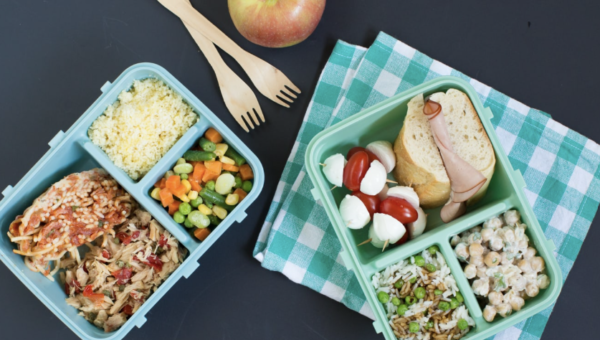
A helpful way to think about cafeteria meals is to focus on balance instead of perfection. You do not need a flawless plate every time you eat. What matters most is building a pattern that supports your energy, concentration, and daily routine. A balanced meal often includes a source of protein, a carbohydrate for fuel, some fruits or vegetables, and enough food to keep you satisfied until your next meal. When you keep that simple idea in mind, the cafeteria becomes much easier to navigate.
One of the best habits is to take a quick look around before filling your tray. Many students make choices in a rush and end up with whatever is closest. Instead, spend a minute scanning the options. Check where the main dishes are, notice whether there are vegetables, soups, rice, sandwiches, eggs, beans, fruit, yogurt, or salad items, and then decide what combination makes the most sense for your day. This small pause can help you choose with more intention and less stress.
Protein can make a big difference in how satisfied you feel after a meal. In a cafeteria, protein might come from chicken, fish, eggs, tofu, beans, lentils, yogurt, milk, cheese, or nut butter if available. When students skip protein and build a meal around only refined carbs, they often feel hungry again very quickly. Adding a serving of protein can help your meal feel more complete. For example, a lunch with rice, grilled chicken, and vegetables may keep you going longer than a plate of plain pasta by itself.
Carbohydrates are also important, especially for busy students with packed schedules. They give your body and brain fuel for classes, walking across campus, studying, sports, and daily tasks. The goal is not to fear carbs, but to choose them wisely and pair them with other foods. Rice, potatoes, bread, pasta, oats, corn, and fruit can all fit into a balanced meal. A sandwich with lean protein and vegetables, a rice bowl with beans and chicken, or oatmeal with fruit and yogurt can all be practical examples of cafeteria-friendly choices.
Vegetables and fruit deserve attention too, not because every meal needs to look perfect, but because they add color, texture, and variety. They can also make cafeteria meals feel fresher and more satisfying. If the salad bar seems boring, try adding a small side salad or a piece of fruit rather than forcing yourself to eat a huge bowl of greens. Cooked vegetables, soups with vegetables, stir-fry dishes, and fruit cups can also work well. Small, realistic choices are often easier to maintain than dramatic changes.
Drinks can quietly shape your day more than you realize. Water is a reliable option for most meals, especially when you want something simple and refreshing. Milk can also be a useful choice for students who enjoy it. Sweet drinks can be fine once in a while, but having them all the time can leave you feeling sluggish or overly dependent on sugar. You do not need to ban anything. Just notice your habits and make room for options that support steady energy.
It is also smart to think about timing. Some students skip breakfast, eat very little during the day, and then arrive at dinner extremely hungry. That often leads to overeating whatever is fastest and heaviest. Even a simple breakfast can help. Yogurt, fruit, eggs, toast, oatmeal, or a breakfast sandwich can be enough to start your day better. If lunch is far away, a small snack between classes can help too. A banana, a carton of milk, nuts, or a granola bar can make cafeteria choices easier later because you are not choosing from a place of desperation.
There is still room for comfort foods. Being fit does not mean never eating pizza, fries, burgers, or dessert. It means learning how those foods fit into your overall routine. You might enjoy pizza with a side salad and fruit instead of eating several slices alone. You might have fries sometimes, but pair them with a sandwich or grilled option instead of making them the whole meal. Dessert can be enjoyed without guilt when it is part of a generally balanced approach. A healthy routine is flexible, not strict.
Budget matters for students too, and cafeteria eating should work with real life. One of the easiest ways to save money is to choose filling basics instead of always going for premium extras. Rice bowls, bean dishes, eggs, soups, and simple sandwiches can often be affordable and satisfying. If your cafeteria offers combo meals, think about whether they actually help you build a balanced plate. Sometimes the cheapest meal is also the most practical one.
The most important thing is to build habits that match your schedule, preferences, and goals. You do not need to eat like a fitness influencer to make good progress. You simply need a routine that helps you feel nourished, focused, and ready for student life. Start by making one better choice at a time. Add protein to breakfast. Include fruit at lunch. Drink more water. Look around before ordering. These small actions may seem simple, but over time they can make cafeteria eating feel less confusing and much more supportive.
The cafeteria does not have to be a place where your goals disappear. It can be a place where practical, flexible, and smart choices become part of everyday life. When you focus on balance, consistency, and realistic habits, you can enjoy your meals, stay energized for class, and create a routine that feels sustainable all semester long.