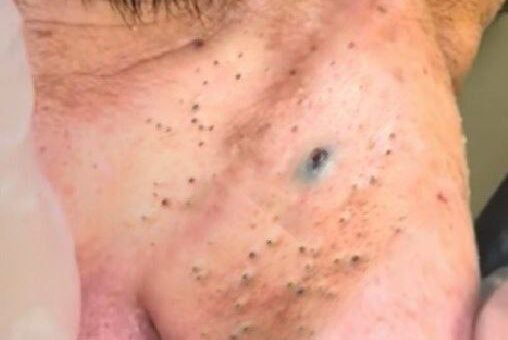

Acne Care Tips Backed by Science

Healthy skin often begins with simple habits supported by scientific research rather than quick fixes.
Acne develops when pores become clogged with excess oil, dead skin cells, and bacteria, making a consistent skincare routine an important part of maintaining clear skin.
Washing your face twice a day with a gentle cleanser helps remove dirt and oil without disrupting the skin’s natural barrier.
Using non-comedogenic moisturizers keeps the skin hydrated while reducing the chance of blocked pores. Daily sunscreen is another science-backed habit because it helps protect the skin from harmful ultraviolet rays and can reduce the appearance of dark marks left behind after blemishes heal. Products containing ingredients such as salicylic acid or benzoyl peroxide may help manage mild acne when used according to product directions.
It is also helpful to avoid picking or squeezing pimples, as this can increase irritation and may lead to longer-lasting marks. A balanced diet, regular sleep, stress management, and drinking enough water all contribute to overall skin wellness, even though individual results may vary.
Patience is essential because healthy skin improvements often take several weeks of consistent care. If acne becomes severe, painful, or persistent, consulting a qualified healthcare professional or dermatologist can provide personalized guidance and appropriate treatment options.