The Pantry to Plate Plan for Busy Athletes

Busy athletes often have a strong reason to eat well, but not always enough time to make that goal feel simple. Training sessions, work hours, school schedules, family responsibilities, and …
A pantry to plate plan starts with one helpful idea: your kitchen should work with your schedule, not against it. When the pantry is stocked with useful basics, you do not need to start from zero every time you feel hungry. You can mix and match simple ingredients into meals that support energy, recovery, and consistency. This matters because athletes do not just eat for the next hour. They eat for tomorrow’s workout, next weekend’s game, and the steady progress that comes from daily habits.
The first step is to think of your pantry as the foundation of your routine. Dry grains like rice, oats, pasta, and quinoa can become the base of fast meals. Canned beans, lentils, tuna, salmon, and chickpeas add convenience and staying power. Nut butters, seeds, olive oil, canned tomatoes, broth, and simple seasonings help transform plain ingredients into satisfying dishes. Shelf-stable milk or plant-based milk can also come in handy for smoothies, oatmeal, and quick snacks. These are not fancy items, but they are reliable, flexible, and easy to keep on hand.
From there, the plan becomes even easier when you pair pantry staples with a few fresh and frozen foods. Frozen vegetables are one of the best time-saving tools for athletes because they cook quickly and reduce waste. Frozen fruit makes smoothies simple and refreshing. Eggs, yogurt, chicken, tofu, or cottage cheese can round out meals with extra protein. A few fresh items like bananas, spinach, sweet potatoes, onions, and apples can go a long way across breakfast, lunch, dinner, and snacks. The goal is not to fill the kitchen with endless options. The goal is to keep enough smart basics so that a meal is always within reach.
One reason this plan works well for busy athletes is that it removes decision fatigue. After a long day or a hard training session, it is not always realistic to search for recipes or spend an hour cooking. A simple formula is often enough. Start with a carbohydrate source for energy, add a protein source for support and recovery, include produce for color and balance, and finish with healthy fats or flavor boosters. That can look like rice with black beans, salsa, and avocado. It can look like oats cooked with milk, topped with banana and peanut butter. It can look like pasta with tuna, olive oil, spinach, and canned tomatoes. None of these meals are complicated, but each one helps keep your routine moving in a helpful direction.
Breakfast is often the meal that gets rushed the most, so it deserves special attention. A pantry to plate mindset makes mornings more manageable. Oatmeal can be prepared in minutes and adjusted based on the day ahead. On heavier training days, you might add fruit, nuts, and a spoonful of nut butter for extra fuel. On lighter days, a bowl of yogurt with oats and fruit may feel just right. Whole grain toast with eggs and peanut butter on the side can also be a strong option when you want something fast that still feels substantial.
Lunch and dinner can follow the same pattern without becoming repetitive. A grain bowl is a classic example because it is simple to build and easy to change. Start with rice, quinoa, or pasta. Add beans, chicken, tofu, or canned fish. Mix in frozen vegetables or a quick salad. Finish with olive oil, herbs, lemon juice, or a favorite sauce. The same ingredients can create different meals depending on how you season them. This keeps things practical without making food feel dull.
Snacks also play an important role for athletes, especially on busy days when meals may be spaced far apart. The best snacks are easy to grab and easy to pair. Crackers with tuna, fruit with peanut butter, yogurt with oats, or toast with hummus can all bridge the gap between meals and training. These small choices can help maintain steady energy and reduce the temptation to skip eating until hunger becomes overwhelming.
Another strength of the pantry to plate plan is that it supports consistency over stress. Many people assume healthy eating for athletes must involve strict rules or expensive specialty foods. In reality, a solid routine often comes from repeating simple meals that are balanced, satisfying, and realistic. When you know how to turn pantry basics into dependable meals, you are less likely to feel stuck, and more likely to stay nourished even during busy weeks.
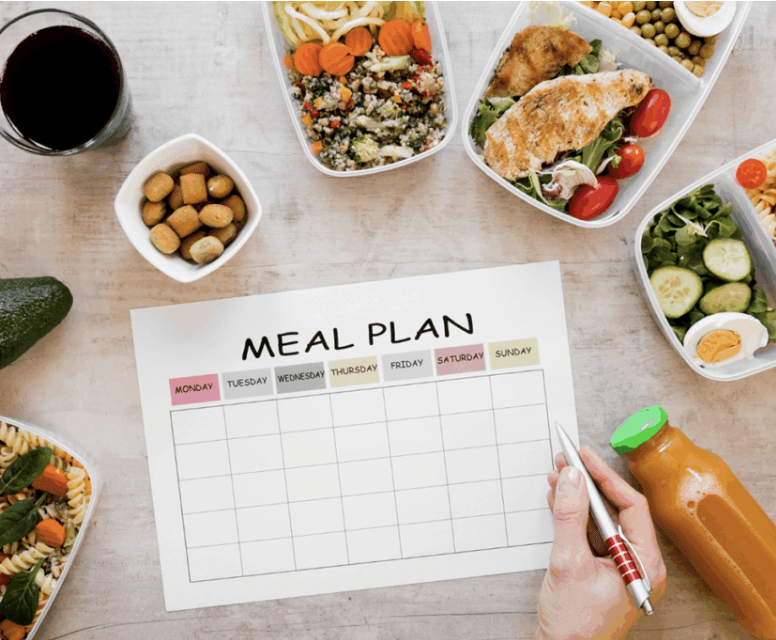
Preparation helps too, but it does not need to be extreme. Cooking a pot of rice, boiling eggs, washing fruit, or portioning a few snacks ahead of time can make everyday choices much easier. Even fifteen or twenty minutes of setup can save time later. The point is not to spend your whole weekend meal prepping. The point is to give your future self a smoother path.
The pantry to plate plan is not about eating perfectly. It is about building a kitchen routine that supports your life as it is right now. Busy athletes need meals that are simple enough for real life and strong enough to support active goals. With a few reliable staples, a handful of fresh additions, and an easy formula to follow, good meals become less stressful and more automatic. When your pantry is ready, your plate does not have to be complicated. It just has to work for you.