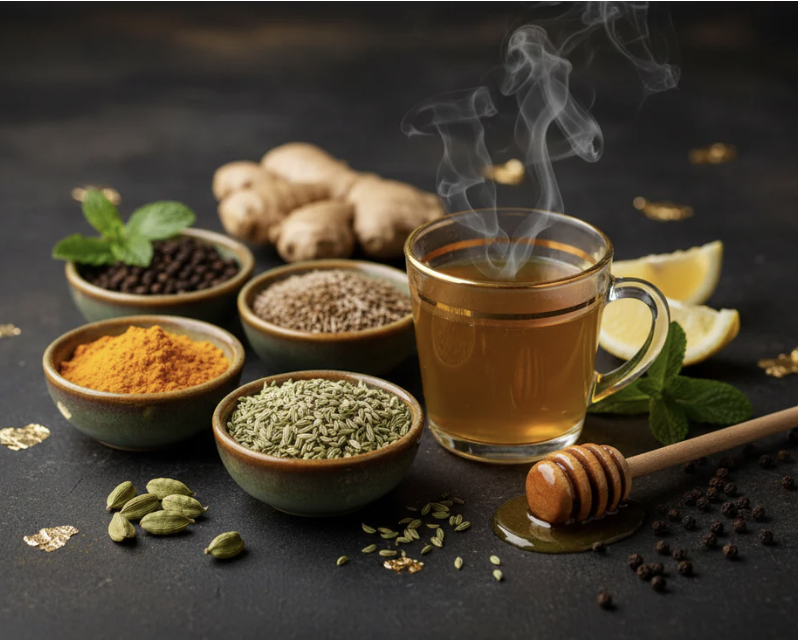
Warming Spices That Support Recovery

When the body feels tired after long workdays, exercise, travel, or stressful routines, small comforts can make a big difference. One of the easiest ways to create that comfort is …
Recovery does not always have to mean strict plans or expensive products. Sometimes it starts with a warm breakfast, a soothing drink, or a nourishing dinner made with ingredients already sitting in the pantry. Warming spices fit beautifully into that kind of routine because they help meals feel cozy, satisfying, and full of character. Their rich scent and natural heat can turn an ordinary recipe into something that feels restorative.
Ginger is often the first spice people think of when they want warmth and comfort. It has a bright, slightly spicy flavor that works in both sweet and savory dishes. Fresh ginger can be sliced into hot water for a simple tea, grated into soups, or added to stir fries for extra depth. Ground ginger is great in oatmeal, baked apples, or smoothies that need a little lift. Its warming quality makes it especially welcome on cool mornings or after a long day when the body wants something gentle and soothing.
Cinnamon is another classic choice that pairs comfort with familiarity. Its naturally sweet aroma makes healthy meals feel more indulgent without adding much effort. A sprinkle of cinnamon can transform plain yogurt, warm milk, oats, or roasted sweet potatoes. Many people enjoy it in afternoon drinks when they want something cozy but not too heavy. Because cinnamon blends so well with other ingredients, it is one of the easiest spices to use regularly. It can help create a routine that feels nurturing, which matters when recovery depends on consistency.
Turmeric brings a golden color and earthy taste that feels grounding in soups, rice dishes, and warm drinks. It is often paired with black pepper, which helps round out the flavor in cooking. Turmeric works especially well in comforting meals like broth-based soups, lentils, or warm grain bowls. It can also be stirred into milk or dairy-free alternatives for a relaxing evening drink. The appeal of turmeric is not only in its color but in the way it makes food feel wholesome and intentional. A meal with turmeric often seems slower, calmer, and more nourishing.
Cardamom offers a different kind of warmth. It is fragrant, slightly sweet, and a little floral, which makes it perfect for people who want something comforting without a heavy taste. Cardamom can be added to tea, coffee, porridge, or baked fruit. It gives simple foods a special quality, making them feel more comforting without requiring much work. For recovery days, this matters. When energy is low, meals that are easy yet satisfying are often the ones people return to again and again.
Cloves have a stronger flavor, so a little goes a long way. Their deep warmth can make a pot of tea, fruit compote, or slow-cooked dish feel richer and more comforting. Cloves pair well with cinnamon, ginger, and nutmeg, especially in cooler seasons. They are excellent when the goal is to create a meal or drink that feels deeply warming. Because their flavor is bold, they are often best used in small amounts, allowing them to enhance rather than overpower.
Nutmeg is soft, warm, and slightly sweet, making it ideal for creamy foods and baked dishes. It works beautifully in oatmeal, mashed vegetables, soups, and warm drinks. Even a tiny pinch can add a comforting finish to simple recipes. Nutmeg is especially helpful when food needs to feel cozy and familiar. It does not demand attention, but it adds a quiet depth that can make a dish feel complete.
Black pepper deserves more credit in recovery-friendly cooking. While people often think of it as a basic seasoning, it brings a gentle heat that can make savory meals more satisfying. It works well with soups, eggs, roasted vegetables, and grain dishes. That extra warmth can make lighter meals feel more substantial, which is useful when the goal is to eat simply while still feeling nourished.
Using warming spices does not require complicated recipes. A bowl of oatmeal with cinnamon and ginger can be a strong start to the day. A soup with turmeric, black pepper, and garlic can feel grounding at lunch. In the evening, a warm drink with cinnamon or cardamom can signal that it is time to slow down. These small habits can support a more comforting rhythm, especially during seasons of physical or mental fatigue.
It is also helpful to remember that recovery looks different for everyone. For one person, recovery may mean resting after exercise. For another, it may mean rebuilding energy after a demanding week. Warming spices fit many routines because they are flexible and easy to adjust. Some people enjoy bold flavors, while others prefer a softer touch. The goal is not to use every spice at once, but to find a few favorites that make nourishing food more appealing.
There is something reassuring about warmth in food. It invites people to pause, breathe, and pay attention to how they feel. Warming spices support that experience by making meals more comforting, aromatic, and enjoyable. They help turn everyday eating into a gentle form of self-care. When recovery is approached with kindness instead of pressure, even a simple cup of ginger tea or a sprinkle of cinnamon on breakfast can feel like a meaningful step in the right direction.