The Macro Minded Smoothie Blueprint

A good smoothie can do much more than taste sweet and look colorful in a glass. When it is built with intention, it can become a simple way to support …
The word macro is short for macronutrients, which are protein, carbohydrates, and fats. These are the main nutrients your body uses in larger amounts throughout the day. A smoothie that pays attention to these three areas can feel more complete than one made only with fruit juice and ice. It can help you stay satisfied longer and reduce the chance of that quick rise and crash that sometimes happens after a sugary drink. The goal is not to make every smoothie perfect. The goal is to make it more useful, more filling, and more supportive of your routine.
The first part of the blueprint is protein. This is often the piece that turns a smoothie from a snack into something more substantial. Protein helps with fullness and gives your drink a steady foundation. Greek yogurt, cottage cheese, milk, soy milk, tofu, or a simple protein powder can all work well. You do not need a complicated formula. You just need to make sure your smoothie is not missing this key piece. Even a small amount can improve texture and make the drink feel more satisfying.
The second part is carbohydrates, which are often the natural heart of a smoothie. Fruit is usually the easiest choice because it brings flavor, natural sweetness, and a refreshing texture. Banana makes a smoothie creamy, berries add brightness, mango creates a tropical feel, and oats can make the drink feel more steady and hearty. Carbohydrates are not something to fear in a smoothie. They are often what make it enjoyable and energizing. The important part is choosing amounts that match your needs rather than letting the whole drink become a sugar-heavy dessert in disguise.
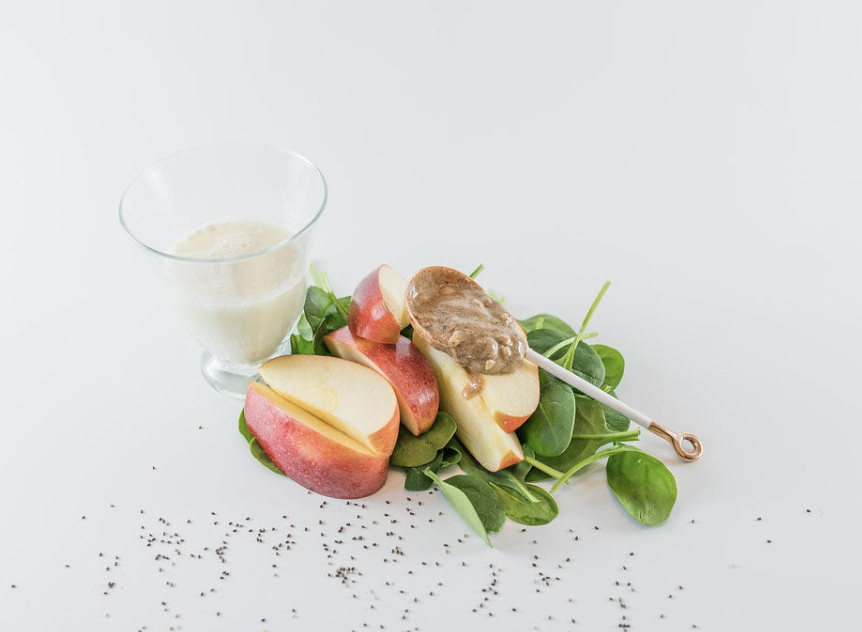
The third part is fat, and this is where many people either forget it completely or add far too much. A little healthy fat can improve flavor and help your smoothie feel more rounded. Nut butter, chia seeds, flaxseed, hemp seeds, avocado, or even full-fat yogurt can all play this role. Fat also slows things down a bit, which can support a steadier, more satisfying experience. The key word is little. Smoothies can become very calorie dense very quickly if every rich ingredient goes into the blender at once. A measured amount usually works better than a generous scoop of everything.
Once protein, carbohydrates, and fat are covered, the next layer is volume and texture. This is where liquids and extras matter. Milk, unsweetened plant milk, or plain water can help you control thickness. Ice can make the drink colder and lighter. Spinach or frozen cauliflower can add body without changing the flavor too much. Cinnamon, cocoa powder, or vanilla can improve taste without relying on extra sugar. This part of the blueprint is helpful because it reminds you that a smoothie should be pleasant to drink. Nutrition matters, but so does enjoying it.
One of the best things about a macro minded smoothie is that it can adapt to different moments in your day. A lighter version might work well as a quick breakfast when you are not very hungry yet. A more filling version can support lunch on a busy day when cooking feels inconvenient. A post-workout smoothie might include a stronger protein focus with fruit and milk for recovery and refreshment. A calmer evening version might be smaller and simpler, just enough to hold you over without feeling heavy. The blueprint stays the same, but the proportions can shift based on your routine.
It also helps to remember that smoothies should support meals, not replace common sense. A drink is convenient, but it should still fit into your larger eating pattern. If a smoothie leaves you hungry again in thirty minutes, that usually means it needs more balance. If it feels so heavy that it could serve two people, it may need a little editing. Learning to notice how you feel after drinking it is part of the process. Hunger, fullness, energy, and satisfaction are useful feedback tools.
There is also no need to chase perfection or internet trends. You do not need rare powders, expensive superfoods, or a ten-step recipe to make a smoothie worthwhile. In fact, the most helpful blueprint is often the one you can repeat with ingredients you already enjoy. A banana, frozen berries, Greek yogurt, oats, milk, and a spoon of peanut butter can already create a strong foundation. That kind of simplicity makes healthy habits easier to keep.
The real strength of the macro minded smoothie blueprint is that it brings structure without making food feel stressful. It gives you a clear way to build a drink that tastes good and works harder for you. It encourages balance rather than extremes. Over time, that balanced mindset can make smoothies more than a quick fix. They can become a dependable part of a steady, realistic approach to eating well.
When you stop thinking of smoothies as random blends and start seeing them as small nutrition opportunities, the whole process becomes more useful. You gain confidence, waste less, and enjoy better results from simple ingredients. That is the heart of the blueprint. Keep it balanced, keep it practical, and keep it friendly enough to fit your real day.