The Smart Way to Use Leftovers for Gains

If you are trying to eat well, build muscle, and stay consistent with your routine, leftovers can become one of the most useful tools in your kitchen. Many people think …
The smart approach starts with changing the way you think about food prep. Instead of cooking one meal at a time, it helps to think in layers. A grilled chicken breast from dinner is not just dinner. It can become tomorrow’s lunch wrap, a rice bowl after training, or part of a quick protein-packed breakfast. Roasted vegetables are not just side dishes. They can be added to eggs, mixed into pasta, or folded into a simple grain bowl. When you see leftovers as ingredients instead of old meals, you unlock a lot more flexibility.
One of the biggest benefits of using leftovers is that they make it easier to hit your protein target. For anyone focused on strength, recovery, or body composition, getting enough protein throughout the day matters. Cooking fresh protein at every meal can feel tiring, especially during busy workweeks. Leftover chicken, lean beef, turkey, salmon, tofu, or eggs can save time and reduce the chance of skipping a balanced meal. If you already have cooked protein in the fridge, you are much more likely to build a meal around it instead of reaching for something less filling or less nutritious.
Leftovers also help reduce decision fatigue. A lot of healthy eating falls apart not because people do not care, but because they get tired of making choices. After a long day, figuring out what to cook can feel like too much work. When your fridge already contains cooked rice, baked potatoes, chopped vegetables, or seasoned meat, the next meal becomes much easier. You do not need to start from zero. You just need to combine what you already have in a smart way.
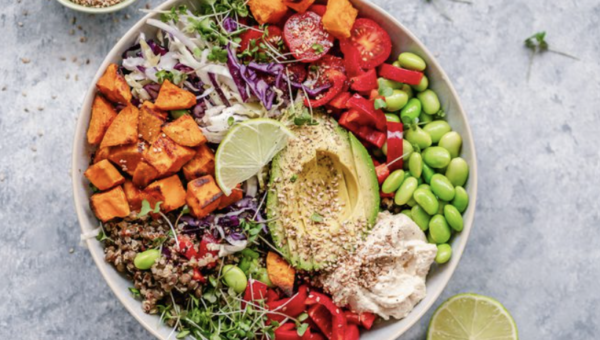
A good strategy is to prepare foods that mix well with different flavors. Plain or lightly seasoned proteins work especially well because they can be turned into many meals without tasting repetitive. For example, roasted chicken can go into a sandwich one day, a stir-fry the next day, and a salad bowl after that. Cooked rice can become a side dish, fried rice, or the base of a hearty lunch bowl. Roasted sweet potatoes can be paired with eggs in the morning or added to a dinner plate with extra protein. This kind of flexibility keeps meals interesting while still being practical.
Another smart move is to combine leftovers with one fresh element. This makes the meal feel new without creating extra work. If you have leftover steak and potatoes, adding a fresh cucumber tomato salad on the side can make the whole plate feel brighter. If you have leftover rice and vegetables, topping them with a freshly cooked egg can instantly improve texture and flavor. Even something simple like adding fresh herbs, a squeeze of lemon, yogurt sauce, or sliced avocado can refresh a meal and make it more enjoyable.
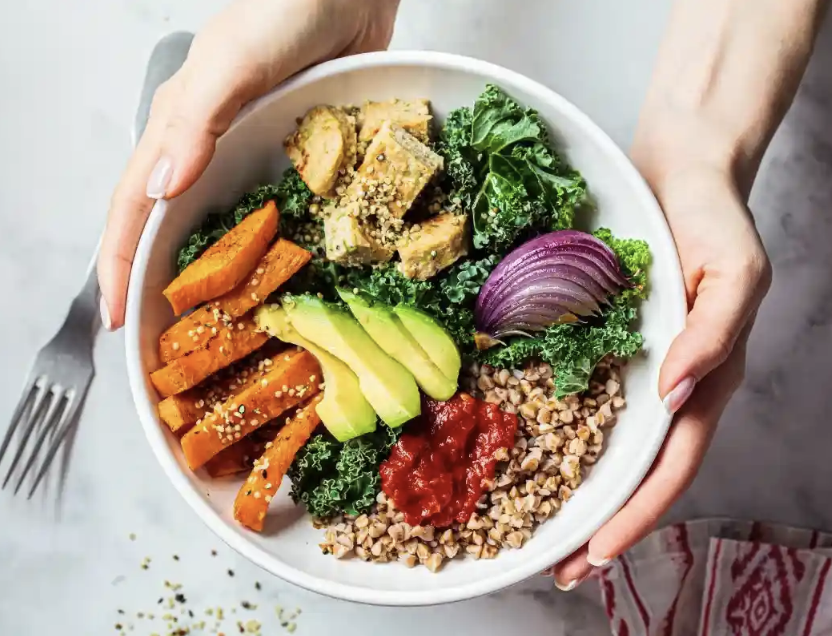
Portion balance matters too. Using leftovers for gains does not just mean eating more food. It means building meals that support your goals. A solid plate usually includes protein, carbohydrates, and some healthy fats, along with vegetables or fruit when possible. If yesterday’s leftovers were heavy on carbs but low in protein, adjust by adding Greek yogurt, tuna, eggs, or another lean protein source. If the leftovers are mostly protein, pair them with rice, oats, bread, or potatoes to support energy and recovery. This balanced approach helps leftovers work for performance rather than just convenience.
Food safety is also part of using leftovers the smart way. Store cooked food in sealed containers, refrigerate it promptly, and eat it within a reasonable time. Labeling containers by day can help you stay organized and reduce waste. Reheating food thoroughly matters, especially with meat, rice, and mixed dishes. A simple system keeps your kitchen efficient and helps you feel confident about what you are eating.
Cost savings are another underrated advantage. Building a nutrition routine around leftovers can stretch your grocery budget while still supporting muscle gain or an active lifestyle. Protein-rich foods can be one of the more expensive parts of eating well, so letting cooked food go to waste makes progress more costly than it needs to be. When you use leftovers well, you get more value from every shopping trip and every cooking session. That makes it easier to stay consistent over time, and consistency is often what delivers the best results.
There is also something powerful about making your environment work for you. Motivation can come and go, but a fridge filled with useful leftovers creates structure. It gives you better options when you are hungry, tired, or in a rush. That kind of setup supports better habits without requiring perfect discipline. Instead of relying on willpower, you rely on preparation.
In the end, the smart way to use leftovers for gains is simple. Cook with tomorrow in mind. Store food well. Build meals around protein. Add fresh elements to keep things enjoyable. Use what you already have before buying more. This approach saves time, reduces waste, supports recovery, and makes healthy eating feel more realistic. Leftovers are not second-best meals. When used well, they are one of the easiest ways to stay fueled, make progress, and keep your routine strong day after day.