The Science Behind Acne Formation

Acne develops through a combination of natural skin processes and external influences.
At the center of it is the hair follicle, a tiny structure that contains a hair and an oil-producing gland.
These glands create sebum, an oily substance that helps keep skin soft and protected.
Problems begin when excess sebum mixes with dead skin cells and clogs the pore.
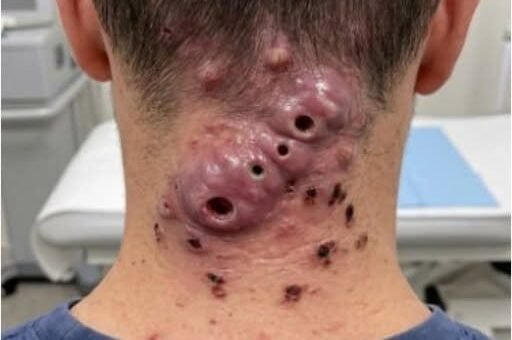
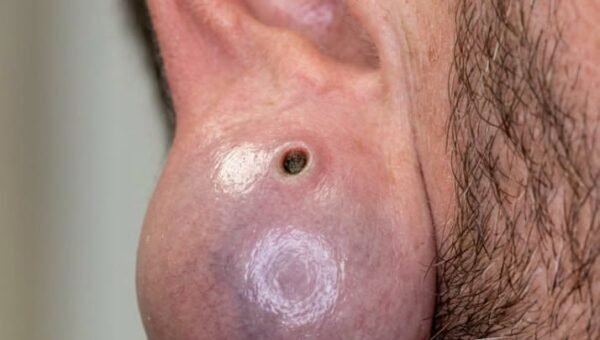
Inside this blocked pore, bacteria such as Cutibacterium acnes can multiply. As they grow, the body’s immune system responds, leading to redness, swelling, and the formation of pimples. Hormonal changes are a major driver of this process, especially during adolescence, as increased androgen levels stimulate oil production.
Other factors can influence acne as well. Genetics may determine how sensitive your skin is to hormonal shifts, while stress can worsen inflammation. Certain skincare products that clog pores can also contribute to breakouts.
Understanding the science behind acne helps explain why gentle, consistent care is important. Keeping pores clear, reducing excess oil, and supporting the skin’s natural balance can make a noticeable difference. With the right approach, it is possible to manage acne effectively and support healthier skin over time.