The Strong Bones Grocery Guide

Shopping for foods that support strong bones does not need to feel confusing or expensive. A good grocery trip is less about finding one perfect superfood and more about building …
A helpful way to begin is by thinking in categories instead of strict rules. Rather than searching for one magic product, look at your cart and ask whether it includes variety. Bones rely on more than one nutrient, so it makes sense to shop with a broad view. Calcium often gets the spotlight, but it works best as part of a bigger picture that also includes vitamin D, protein, magnesium, potassium, and vitamin K. Everyday meals that include these nutrients can be made from familiar foods found in most supermarkets.
The dairy aisle is a natural place to start for many shoppers. Milk, yogurt, and cheese are popular because they are easy to use and widely available. A plain yogurt can become breakfast, a snack, or a base for a quick sauce. Milk works in oatmeal, smoothies, soups, and coffee, while cheese can add flavor to sandwiches, eggs, or roasted vegetables. If you do not use dairy, there are still plenty of options. Fortified plant-based milks and yogurts can be useful choices, especially when the label shows added calcium and vitamin D. It is worth taking a moment to read the carton so you know what you are getting.
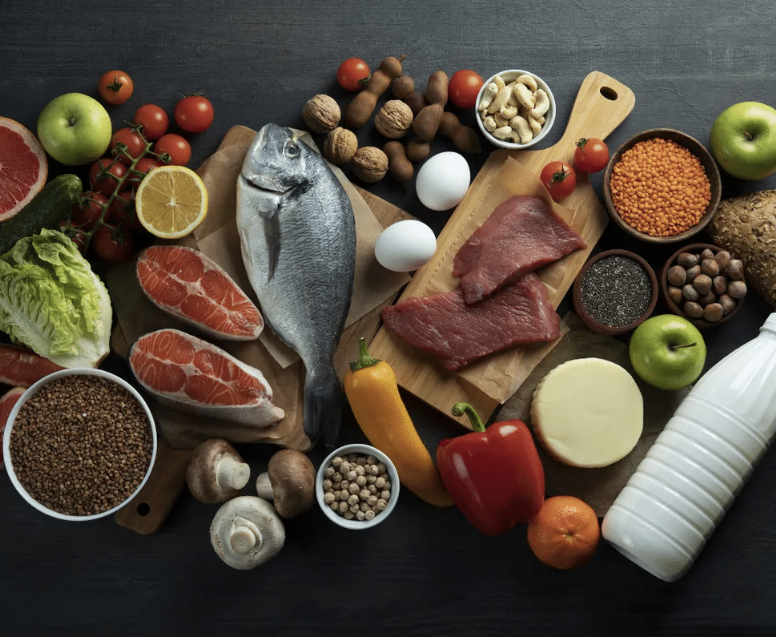
Protein is another important part of a bone-supportive shopping plan. Many people think of bones as hard structures only connected to minerals, but bones are living tissue that benefit from a balanced diet that includes enough protein. Eggs, fish, chicken, beans, lentils, tofu, and Greek yogurt are all practical choices. Canned salmon and sardines can be especially useful pantry items because they are convenient and nutrient-dense. Beans and lentils are also excellent because they are affordable, filling, and easy to add to soups, stews, salads, and rice bowls.
Produce adds even more value to your grocery cart. Leafy greens such as kale, bok choy, spinach, and collard greens can support a well-rounded eating pattern, and they bring color and freshness to meals. Broccoli, green beans, oranges, bananas, berries, and avocados are also worth picking up. These foods help create balanced plates and add nutrients that work alongside calcium and protein. Fresh produce is wonderful, but frozen fruit and vegetables can be just as helpful. They often cost less, last longer, and make it easier to keep good ingredients on hand for busy days.
When you move into the pantry aisles, there are many smart picks that support simple, nourishing meals. Oats, brown rice, whole grain bread, quinoa, and whole grain pasta are useful staples that pair well with protein and vegetables. Nuts and seeds can also deserve a place in your cart. Almonds, chia seeds, sesame seeds, and pumpkin seeds are easy to sprinkle over yogurt, oatmeal, or salads. Nut butters can be a convenient option for breakfast or snacks. These foods are not meant to replace the basics, but they can add texture, satisfaction, and variety.
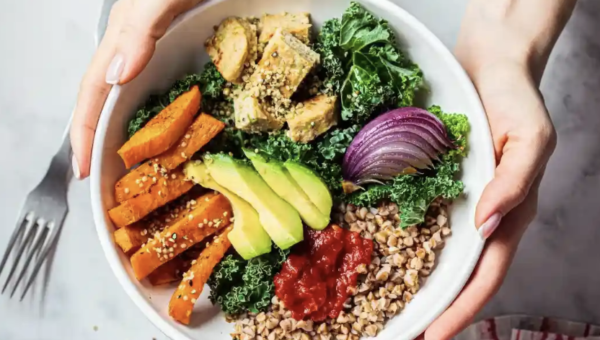
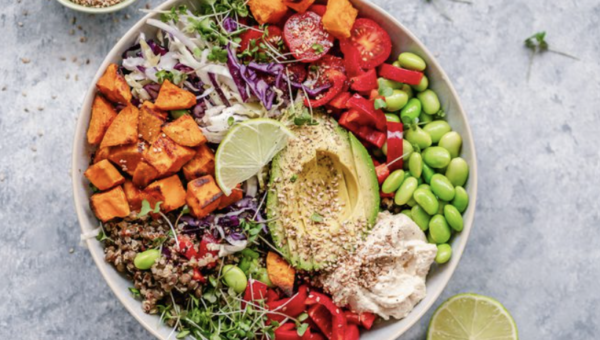
One of the most useful shopping habits is learning how to build meals from what you buy. A strong bones grocery trip becomes more effective when the foods can easily turn into real meals at home. For breakfast, that might mean yogurt with fruit and oats, or fortified cereal with milk and sliced banana. Lunch could be a grain bowl with beans, greens, and roasted vegetables. Dinner might be baked salmon with rice and broccoli, or tofu stir-fry with bok choy and carrots. Snacks can be as simple as cheese with fruit, a boiled egg, or whole grain toast with nut butter. The goal is not perfection. The goal is making balanced choices feel normal and easy.
Budget matters too, and a bone-friendly grocery cart does not need to be expensive. Store brands, frozen produce, dried beans, canned fish, oats, and large tubs of plain yogurt can stretch your money further. Buying what you will truly use is one of the smartest strategies. It is better to choose a few reliable foods you enjoy than to overspend on trendy products that end up untouched. Planning two or three easy meals before you shop can help reduce waste and keep your grocery routine realistic.
It is also wise to pay attention to heavily processed items that may crowd out more nourishing choices. This does not mean you have to avoid every treat or follow rigid food rules. It simply means your cart should be built around foods that give you more nutrition and staying power. A balanced grocery trip leaves room for enjoyment while keeping the focus on everyday staples that support long-term habits.
The most important thing to remember is that strong bones are supported by consistency, not one single shopping trip. When your cart regularly includes protein, calcium-rich foods, colorful produce, and practical pantry staples, you build a foundation for simple meals that fit your life. A friendly grocery guide is not about pressure. It is about confidence. With a little planning and a flexible mindset, you can fill your kitchen with foods that support overall wellness and make everyday eating feel both easy and satisfying.