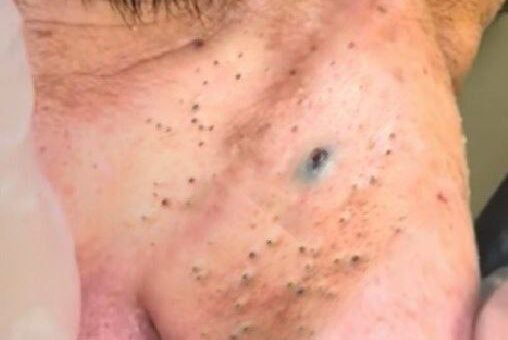
The Role of Genetics in Acne

Genetics can play an important role in the development of acne.
Many people notice that skin concerns seem to run in families, and research suggests that inherited traits may influence how the skin produces oil, responds to hormones, and reacts to inflammation.
If parents or close relatives experienced acne, there may be a greater chance of developing similar skin conditions at some point in life.
Although genetics can increase the likelihood of breakouts, they are not the only factor involved. Lifestyle habits, stress, diet, skincare products, and environmental conditions may also affect skin health. Some individuals naturally produce more sebum, which can combine with dead skin cells and lead to clogged pores. Others may have skin that is more sensitive to hormonal changes during adolescence or adulthood.
Understanding the connection between genetics and acne can help people build realistic skincare expectations. Gentle cleansing, regular moisturizing, and the use of non-comedogenic products may support healthier-looking skin. Consistent skincare routines are often more effective than using harsh treatments that may irritate sensitive areas.
While acne can sometimes feel frustrating, proper care and professional guidance may help improve skin appearance over time. A dermatologist can recommend personalized treatments based on skin type, family history, and the severity of breakouts for long-term skin management.